Birthday party presents for classmates: safe bets under £10
A good birthday present for a classmate costs around £8 to £10, suits the age, and works whether the child loves football, dinosaurs or unicorns. Games, small LEGO sets and art activities are the safest bets: Pop-Up Pirate for Reception, a LEGO Creator set or Dobble for Years 2 to 4, and Monopoly Deal or a Rubik’s Cube for the top of primary school.
If you have a child at a UK primary school, you’ll know the party circuit: whole-class invitations, weekend after weekend, for children you’ve never met. You need presents that are quick to buy, easy to wrap and unlikely to be the third copy of the same thing.
Here’s our shortlist of under-£10 picks by school year, plus practical tips on budgeting, duplicates and gift receipts.
The picks
 Ages 6+Fan fave
Board and card games
1. Dobble
4.8(39k)
A speed-matching card game that works whatever the child is into, and they can beat their parents at it. A gender-neutral safe bet from Year 2 up.
- Several mini-games in one tin, from fast to frantic
- Small round tin that slips into a bag for holidays and cafés
- Kids can genuinely beat adults, which they love
~£6.59See it → Ages 6–12
Building and LEGO
2. LEGO Creator 3-in-1 Space Shuttle 31134
4.8(8.8k)
A small LEGO Creator 3-in-1 set: shuttle, spaceship or astronaut. Building sets suit almost any child, which makes it ideal for Years 2 to 4.
- Three models from one box: shuttle, spaceship or astronaut
- Small box that suits a stocking but is still a proper build
- Rebuilding into new models keeps the fun going for longer
~£8.97See it → Ages 8+Steal
Board and card games
3. Monopoly Deal Card Game
4.7(1.7k)
Quick, sneaky and fun to play with the family at home. A safe bet for Years 5 and 6 when you have no idea what the birthday child is into.
- Rounds are over quickly, unlike the full board game
- Fits in a coat pocket for holidays and train journeys
- Plenty of sneaky card-stealing that kids relish
~£4.50See it → Ages 3–7Steal
Board and card games
4. Orchard Toys Shopping List Game
4.8(10k)
A nursery-classic matching game for 2 to 4 players. A good Reception party present, and families rarely mind another quick game.
- Everyday shopping pictures make it easy for little ones to join in
- Builds memory and matching skills while they play
- Plays with 2 to 4, so it works for siblings and grandparents
~£6.99See it → Ages 4–8
Board and card games
5. TOMY Pop-Up Pirate
4.5(60k)
No reading or counting needed, just suspense and giggles. A noisy, easy win for a Reception or Year 1 party, ages 4 to 8.
- No reading, counting or strategy, so even young children can play
- Up to four players, ideal for siblings or a playdate
- Short, giggly rounds that suit a party or a rainy afternoon
~£8.50See it → Ages 8+Steal
Puzzles and brain teasers
6. Rubik’s Cube 3x3
4.7(15k)
A pocket-sized puzzle for the top of primary school that suits any child who likes a challenge. Easy to wrap, too.
- A classic that parents can have a go at and help teach
- Plenty of free beginner guides online for learning step by step
- Pocket-sized, screen-free challenge for car journeys
~£7.50See it → Ages 8+Steal
Board and card games
7. Flip 7 Card Game
4.8(6k)
A press-your-luck card game that’s less likely to double up than the big names. Good for Years 4 to 6, with some mental maths in the scoring.
- Easy to learn in minutes, even for occasional card players
- Push-your-luck moments keep the whole table on edge
- Small box that’s great for holidays and camping trips
~£6.99See it → Ages 3–8Steal
Arts and crafts
8. Play-Doh Swirlin’ Smoothies Blender Set
4.6(5.2k)
A Play-Doh blender for pretend smoothies: modelling and café play in one box. A fun present for a Reception or Year 1 child.
- Combines modelling with pretend café play
- The toy blender gives dough play a fun new twist
- A hit with kids who love helping in the kitchen
~£6.49See it → Ages 6–10Steal
STEM and science
9. Galt Kitchen Lab Science Kit
4.5(696)
Six beginner science experiments for the kitchen table. A gender-neutral present for Years 2 to 5 that feels like more than a toy.
- Six experiments give a first taste of real science
- A rainy-day project for kids who ask ‘why?’ a lot
- Great for doing together with a grown-up or older sibling
~£7.49See it →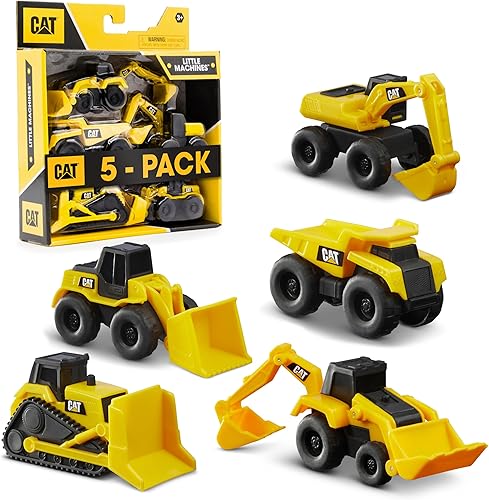 Ages 3–8
Classic toys
10. CAT Little Machines 5-Pack
4.6(15k)
Five little CAT diggers and trucks for sandpit and building-site games. An easy pick for a Reception child who stops to watch every set of roadworks.
- Five machines make a whole building site in one pack
- Small enough for sandpits, play mats and coat pockets
- Split them up for a construction-themed party bag
~£5.98See it → Ages 8+
Board and card games
11. Taco Cat Goat Cheese Pizza
4.7(4.4k)
A loud, silly slap-the-pile card game for ages 8 and up. Great for a Year 4 to 6 party, and the whole family can play it at home.
- Rules take a minute to learn, so it’s easy to start at a party
- Small card box that slips into a holiday bag
- Grown-ups get tongue-tied too, which levels the playing field
~£6.49See it → Ages 7–12Steal
Building and LEGO
12. LEGO Creator 3-in-1 Magical Unicorn 31140
4.8(14k)
A LEGO Creator 3-in-1 unicorn that rebuilds into a seahorse or a peacock. For a Year 2 to 4 child who loves building or anything magical.
- Three models from one box: unicorn, seahorse or peacock
- Small box that suits a stocking but is still a proper build
- Rebuilding into new models keeps the fun going
~£5.99See it → Ages 4–10
Outdoor and active
13. Hape Bug Jar Viewer
4.5(948)
A bug-catching jar with a built-in magnifier for garden minibeasts. A less obvious pick for ages 4 to 10, so it’s unlikely to be the third copy.
- Built-in magnifier for a close look at minibeasts
- Gets kids outside exploring the garden and the park
- Small enough for camping trips and nature walks
~£6.08See it → Ages 6–12
Board and card games
14. Top Trumps Horrible Histories Specials
4.7(523)
Gruesome historical facts in a pocket pack. A crowd-pleaser for Years 3 to 6 that tucks easily into a birthday card.
- Horrible Histories humour that kids already love
- Sneaks in a bit of history between rounds
- Pocket-sized for car journeys and wet playtimes
~£7.99See it →
Buying advice
How much to spend on a classmate
Around £8 to £10 is the usual range for a classmate’s present in the UK, with a bit more for close friends. Nobody expects more for a child your family barely knows, and with a whole-class party list, it adds up fast.
Some invitations now suggest a fiver party, where each guest brings £5 in a card towards one bigger present. If the invitation asks for that, go with it; it isn’t rude, and the birthday child gets something they really want.
Safe-bet presents by school year
Reception and Year 1 (ages 4 to 6): Pop-Up Pirate, the Orchard Toys Shopping List game, the Play-Doh Swirlin’ Smoothies set or the CAT Little Machines 5-Pack. Years 2 to 4 (ages 6 to 9): the LEGO Creator Space Shuttle, Dobble, Top Trumps Horrible Histories or the Galt Kitchen Lab.
Years 5 and 6 (ages 9 to 11): Monopoly Deal, Flip 7, Taco Cat Goat Cheese Pizza or a Rubik’s Cube. Games and building sets are gender-neutral and don’t need you to know the child’s tastes; character merchandise is riskier unless the invitation gives you a theme.
Avoiding duplicates
Popular presents get bought more than once, especially when half the class shops on the same weekend. If you know the parent, ask for a hint, or have a quiet word in the class WhatsApp. The less obvious picks on this list, like Flip 7 or the Hape Bug Jar, are less likely to double up than the big names.
Wrapping, cards and gift receipts
Write your child’s full name on the card and tape it to the present, not the bag. Birthday parents open a pile at once and need to know who gave what for thank-you notes. Tuck a gift receipt inside the card so swapping duplicates is easy.
Keep a couple of spare presents and a roll of paper in a cupboard, and the next ‘party tomorrow’ message is no drama.
How we picked
We shortlist toys with strong Amazon reviews, check they’re sold on Amazon UK, and make sure the age on the box suits the school year. For classmates we favour gender-neutral picks that work without knowing the child, and that give lasting play.
Questions people ask
How much should you spend on a birthday present for a classmate?
Around £8 to £10 is the usual range in the UK for a child your own child doesn’t know well, with a little more for close friends. You don’t need to spend more to make a good impression; a well-chosen game or small LEGO set goes further than an expensive toy they can’t use.
What’s a good gender-neutral birthday present for a 6 year old?
Games and building sets work for everyone. Dobble, Pop-Up Pirate, the LEGO Creator Space Shuttle or the Galt Kitchen Lab all suit a six-year-old without you needing to know their favourite colour or character. Avoid strongly themed merchandise unless the invitation tells you the party theme.
Should you include a gift receipt with a child’s birthday present?
Yes. At whole-class parties, duplicates are common, and a gift receipt lets the family swap without any awkwardness. Tuck it inside the card rather than taping it to the outside, so the birthday child doesn’t spot it while opening, and the parents find it when they sort the cards.
What is a fiver party?
A fiver party is when the invitation asks each guest to bring £5 in a card instead of a present, so the birthday child can put the money towards one thing they really want. It saves parents shopping time and cuts down on unwanted toys. If the invitation doesn’t mention it, bring a present as normal.
What do you write in a classmate’s birthday card?
Keep it simple and let your child do as much as they can: their name, the birthday child’s name and a short message like ‘Have a brilliant birthday!’ Write your child’s full name clearly, as birthday parents use the cards to match presents to givers when writing thank-you notes.
What if my child doesn’t know the birthday child?
That’s normal with whole-class invitations. Pick something that suits the age rather than a particular personality, such as a card game, a small LEGO set or an art activity. If you can, ask the parent at pick-up or in the class chat what they’re into; most are happy to give a hint.